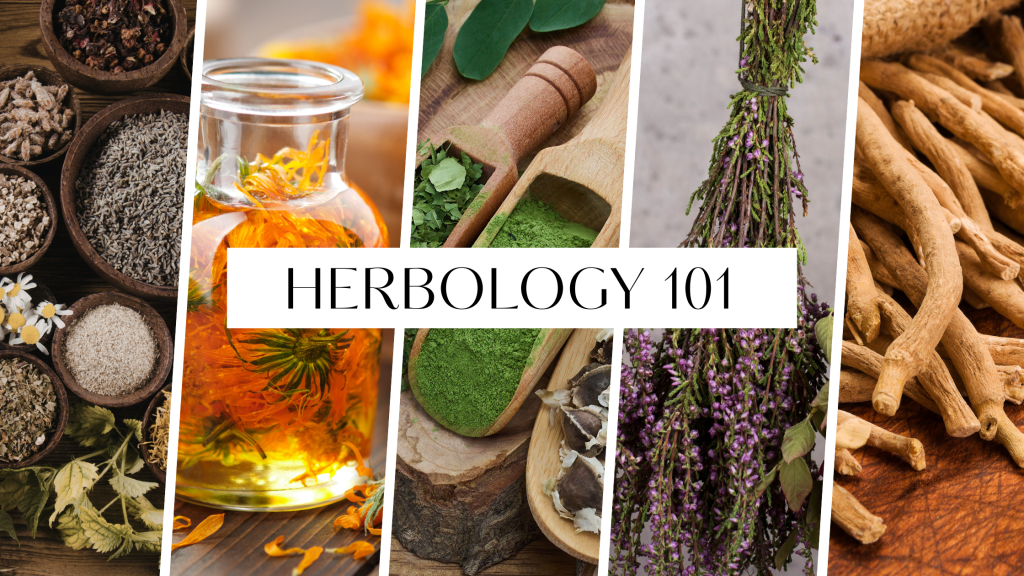
A Beginner’s Guide to the Herbal Kitchen
There is a quiet kind of wisdom that lives in plants.
For thousands of years, people across cultures have turned to the leaves, roots, flowers, and bark growing around them for nourishment and healing. Long before pharmacies existed, medicine was often prepared in the same place food was cooked — the kitchen.
Herbal medicine is not just about remedies. It is about relationship.
It is learning how plants grow, how they interact with the body, and how generations of people have worked with them for everyday wellness.
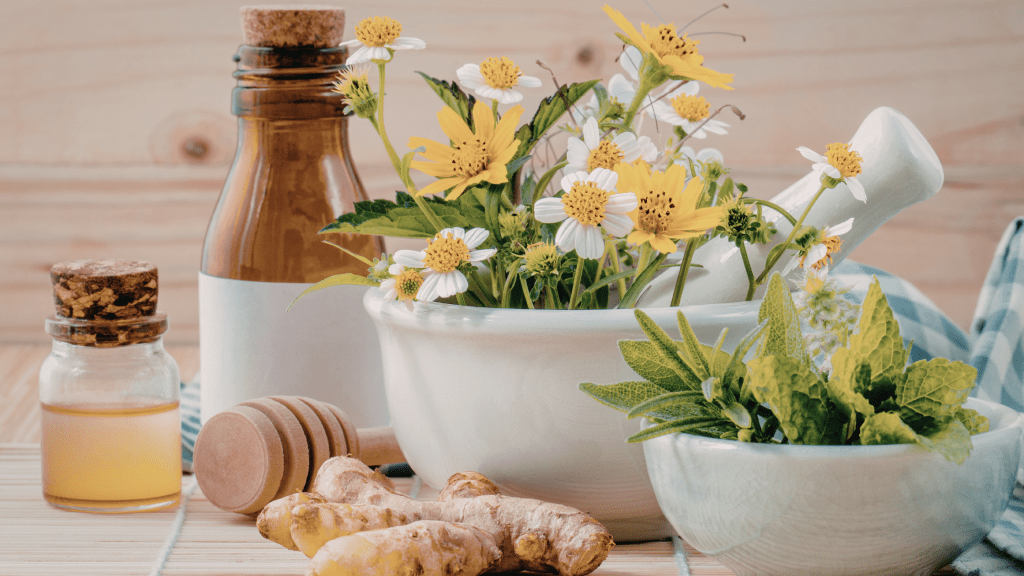
This guide is meant as a gentle introduction to the basics of herbology — the tools, preparations, safety considerations, and ingredients that form the foundation of a home herbal practice.
The Herbal Kitchen
You do not need an elaborate laboratory to begin learning herbal medicine.
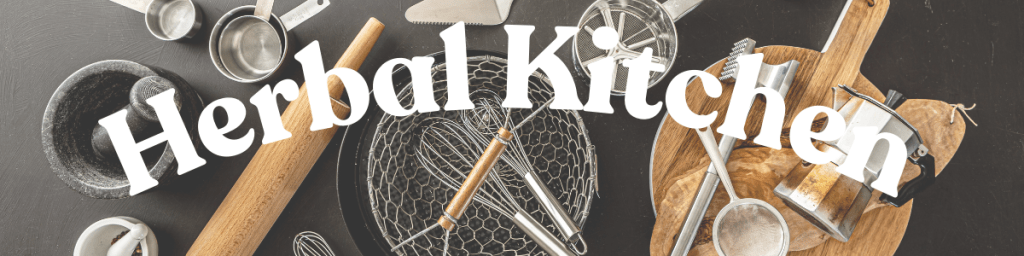
Most herbal preparations can be made using tools that are already common in a kitchen.
Some helpful tools include:
• Stainless steel pots and pans
• A tea kettle
• Blender or food processor
• Kitchen scale
• Mixing bowls
• Measuring cups and spoons
• Funnels
• Strainers in multiple sizes
• Glass jars with tight-fitting lids
• Dark glass bottles with droppers
• Cheesecloth or muslin cloth
Glass containers are often preferred for herbal preparations because plastic can absorb oils or slowly leach chemicals over time.
Storage and Organization
Herbs and herbal preparations last longer when stored properly.
For long-term storage, most herbalists recommend:
• Glass jars with tight-fitting lids
• Dark glass bottles for tinctures and oils
• Labels for ingredients and dates
• A cool, dry storage location away from sunlight
Dry herbs generally keep their potency for about one year, while tinctures may last many years when stored correctly.
Keeping notes about your supplies can also help you stay organized and avoid running out of important ingredients.
Building a Basic Herbal Pantry
Just like a cooking pantry, an herbal pantry grows over time.
Some useful foundational ingredients include:
Carrier Oils
These oils are used to extract plant compounds and create salves and lotions.
Common options include:
• Olive oil
• Coconut oil
• Jojoba oil
Wax and Thickening Agents
Used for making salves and balms.
• Beeswax
• Carnauba wax
Sweeteners and Preservatives
• Honey
• Apple cider vinegar
• Vegetable glycerin
• Alcohol (such as vodka for tinctures)
These ingredients allow you to create a wide range of herbal preparations.
Common Herbal Preparations
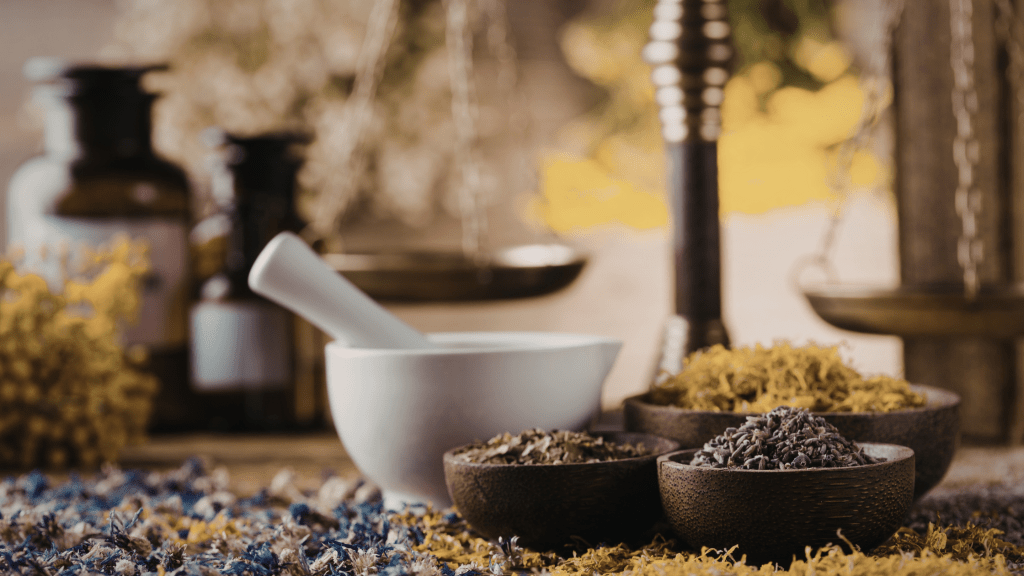
Herbs can be prepared in different ways depending on the plant and how it will be used.
Here are some of the most common methods.
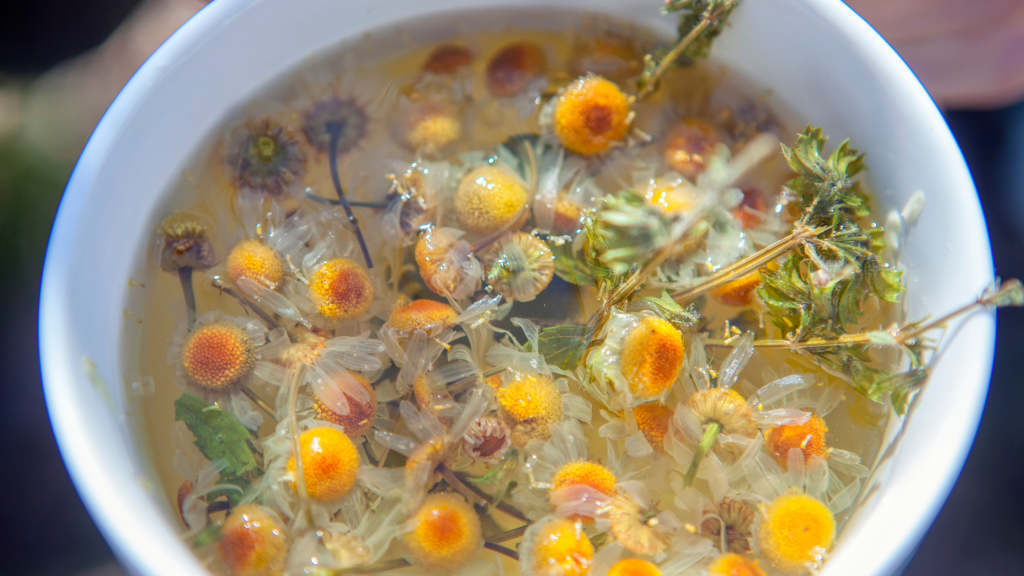
Teas and Infusions
One of the simplest ways to work with herbs is through tea.
An infusion is made by pouring hot water over herbs and allowing them to steep for several minutes.
Infusions work best for:
• leaves
• flowers
• soft plant material
Examples include chamomile, peppermint, lemon balm, and nettle.
Decoctions
Harder plant materials require longer extraction.
A decoction involves simmering herbs in water to extract their beneficial compounds.
This method is commonly used for:
• roots
• bark
• seeds
Examples include ginger root, burdock root, and cinnamon bark.
Tinctures
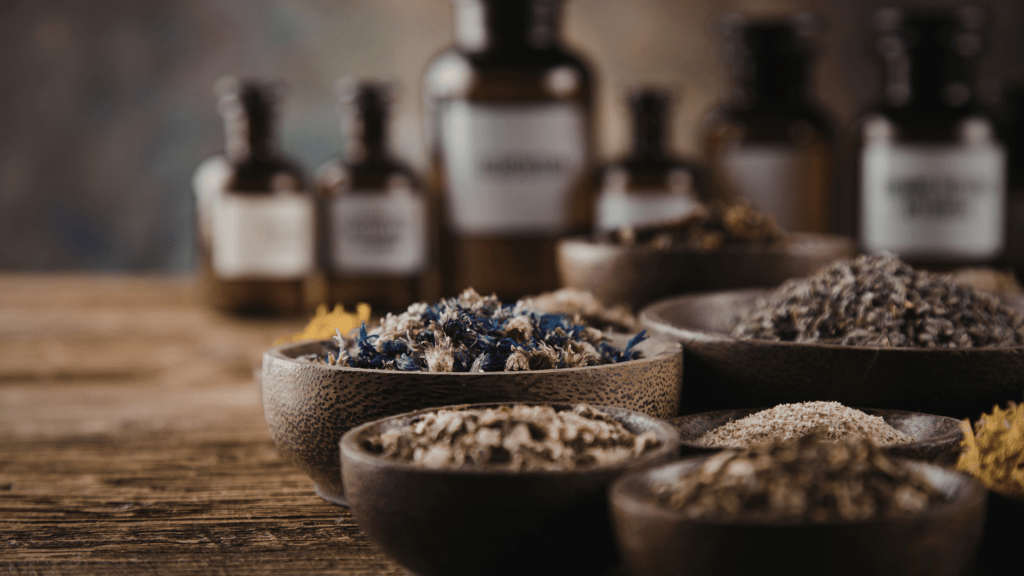
Tinctures are concentrated herbal extracts made using alcohol, vinegar, or glycerin.
Alcohol tinctures are the most common because alcohol effectively extracts plant compounds and preserves them for long periods.
Properly stored tinctures may last 7–10 years.
Infused Oils
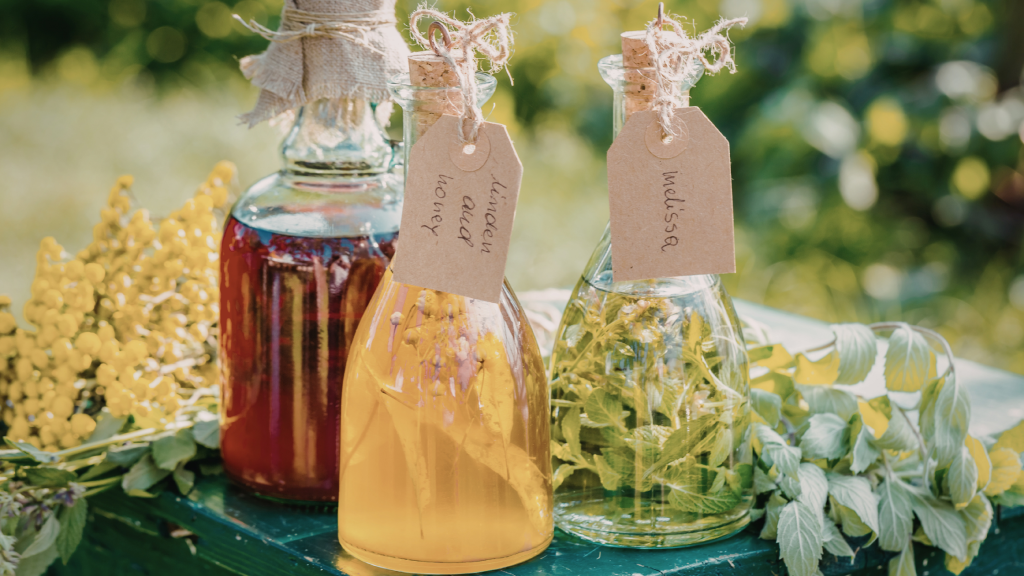
Infused oils are made by soaking herbs in oils so the plant compounds slowly transfer into the oil.
These oils can be used for:
• massage oils
• skincare products
• healing salves
Calendula, lavender, and plantain are commonly used for infused oils.
Salves, Creams, and Balms
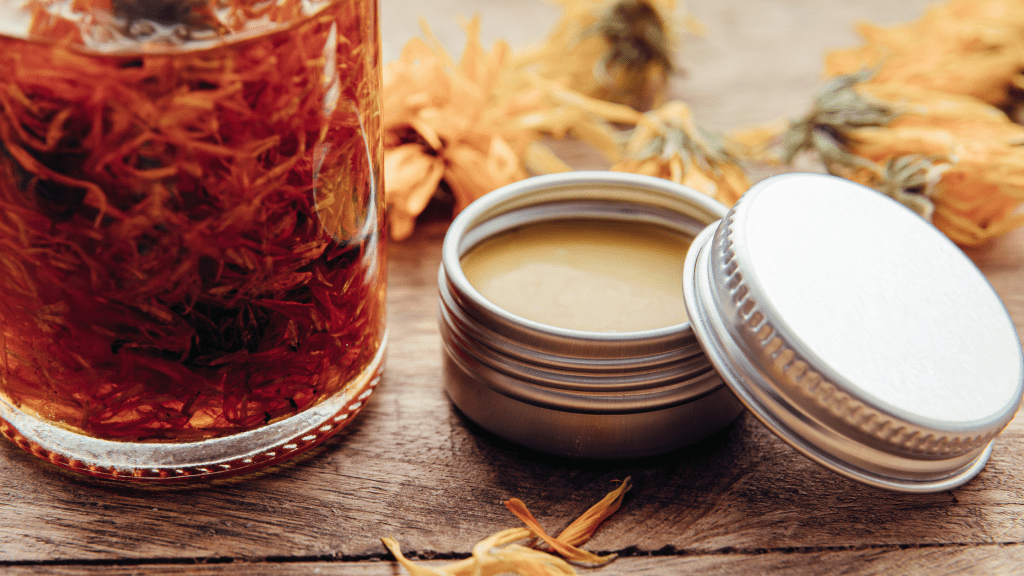
Salves are made by combining infused oils with wax.
They are typically used externally for:
• dry skin
• minor wounds
• irritation
• insect bites
Salves can often last up to a year when stored properly.
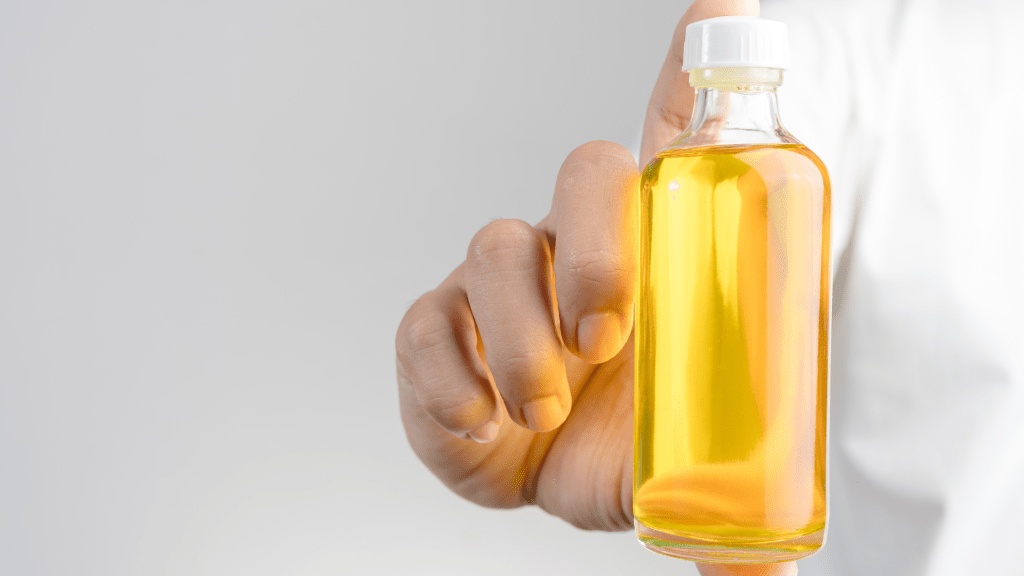
Liniments
Liniments are herbal extracts prepared in alcohol or vinegar and applied to the skin.
They are often used for:
• sore muscles
• joint discomfort
• inflammation
Liniments are meant for external use only.
Poultices
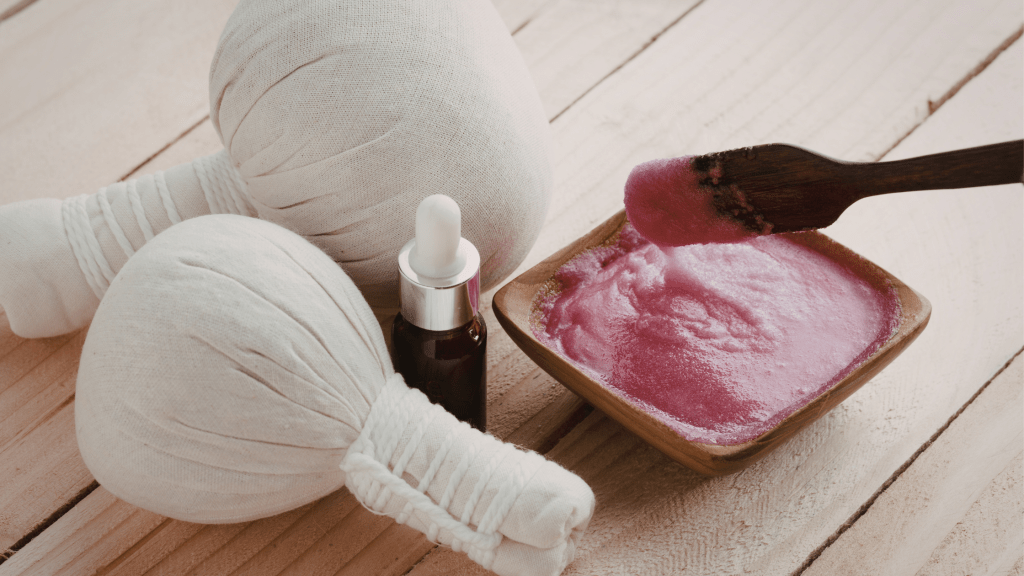
A poultice is made by crushing fresh herbs and applying them directly to the skin.
This method has been used for centuries to support:
• skin irritation
• swelling
• insect bites
A cloth or bandage is usually used to hold the herbs in place.
Practicing Herbalism Safely
Herbal medicine is powerful, and like all medicine, it should be used responsibly.
Some herbs may:
• interact with medications
• affect hormone levels
• stimulate the uterus
• influence blood pressure
• increase bleeding risk
Because of this, research and caution are essential.
Certain plants such as belladonna, foxglove, hemlock, and jimsonweed are highly toxic and should not be used without expert knowledge.
Special Considerations
Pregnancy and Nursing
Certain herbs can stimulate uterine contractions or affect hormone levels, so many herbs should be avoided during pregnancy and breastfeeding.
Children
Young children can benefit from gentle herbal remedies, but dosages should always be adjusted appropriately.
Mild herbs commonly used for children include:
• chamomile
• peppermint
• catnip
• dandelion
• slippery elm
Honey should never be given to infants under one year old.
Purchasing Herbs
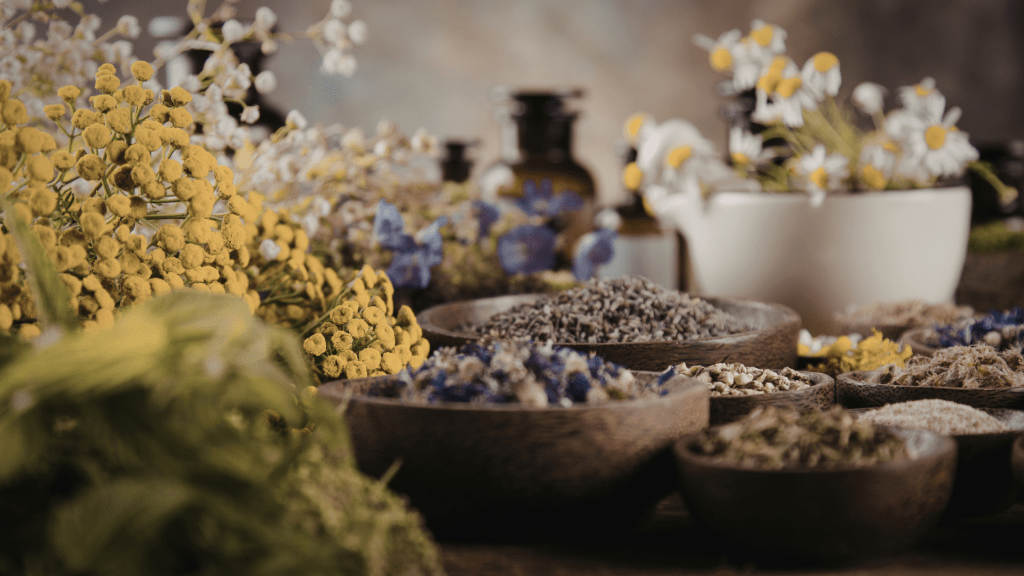
Herbs should always be purchased from reliable sources.
Look for:
• clearly labeled ingredients
• fresh aroma and color
• reputable suppliers
• organic or responsibly harvested plants
Because herbal products are not regulated like pharmaceuticals, quality can vary widely between suppliers.
Why Glass Storage Matters
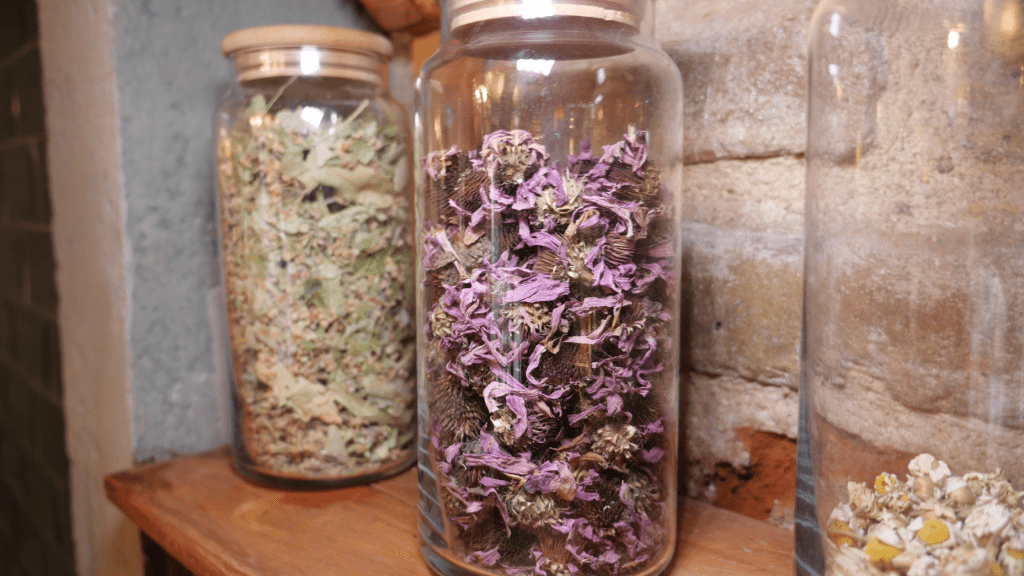
Herbalists often recommend storing herbs and preparations in glass containers.
Many herbs and oils are stored in plastic during shipping because it is lightweight and prevents breakage.
However, some plastics can slowly release chemicals into their contents.
Glass storage helps preserve purity and potency over time.
Beginning Your Herbal Journey
Learning herbal medicine does not require hundreds of herbs or complicated recipes.
Some of the most useful plants are already familiar:
• chamomile
• peppermint
• ginger
• garlic
• dandelion
Starting with a small number of herbs and learning them deeply is often the best approach.
Over time, herbal knowledge grows through observation, experience, and respect for the plants themselves.
Herbalism is not only about remedies.
It is about slowing down enough to notice the living world around us — and remembering that healing knowledge has always been rooted in the land.
Herbalism as a Living Practice
Herbal medicine is not only about remedies or recipes.
It is about learning to notice the living world again.
When you begin studying herbs, something subtle shifts. The plants around you stop being background scenery. They become teachers.
The weeds growing between stones, the leaves along forest paths, the herbs in your kitchen cabinet all begin to tell their stories.
Herbalism is not mastered quickly. It grows slowly through observation and respect for the plants themselves.
The most important skill any herbalist can develop is simply this:
To pay attention.
Thank you for reading. If this kind of slow herbal knowledge speaks to you, you’re welcome to stay awhile. Subscribe below and I’ll send new reflections, plant wisdom, and seasonal practices as they are written.
 Wildheart Press
Leave a comment