
Some mornings arrive with a heaviness behind the eyes causing a dull, persistent pressure that seems to settle into the temples and refuse to leave. Often these headaches come quietly but insistently, especially when the weather begins to shift.
Here in the South, the approach of storms can bring sudden changes in barometric pressure. Many people feel this shift in their bodies long before the clouds arrive: tension in the neck, aching temples, or a slow, creeping headache that lingers throughout the day.
Today was one of those days. I woke up to brilliant sunshine spearing into my bedroom through the blinds. It was beautiful. It was also grim for my skull.
While headaches can sometimes signal a deeper health concern and should be discussed with a medical professional if they are persistent or severe, there are also many gentle herbal practices that have been used for generations to help ease stress-related or weather-triggered headaches.
Below are a few of my favorite simple remedies.

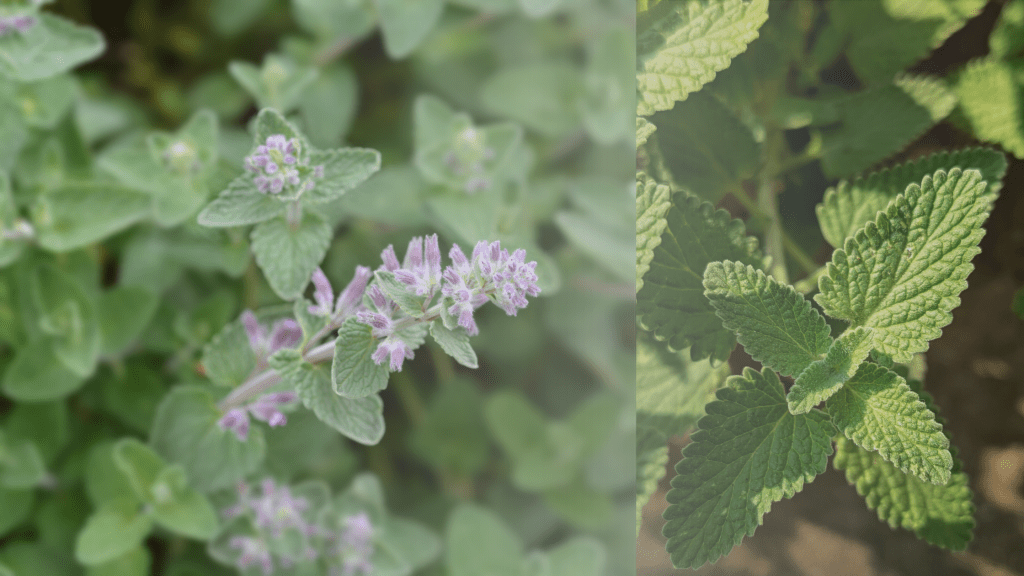
Blue Vervain & Catnip Tea for Tension Headaches
Blue vervain and catnip work beautifully together. Both herbs are traditionally used to support relaxation and ease tension, especially when headaches are connected to stress, tight shoulders, or nervous system overload. This simple blend makes a gentle natural headache relief tea that can be used during weather changes or periods of tension.
Ingredients
- 1 cup boiling water
- 1 teaspoon dried blue vervain
- 1 teaspoon dried catnip
Instructions
- Pour the boiling water into a mug.
- Add the dried herbs and cover the mug.
- Allow the tea to steep for about 10 minutes.
- Strain if needed, then sip slowly.
This tea may be enjoyed up to three times throughout the day if needed.
Precaution: Avoid blue vervain or catnip during pregnancy.
The flavor is earthy and slightly bitter, but the calming effect can be quite noticeable when tension is part of the headache pattern.
Other Gentle Natural Approaches
Sometimes the most effective relief comes from combining herbs with simple body care.
Peppermint Temple Oil
Peppermint has long been used to support circulation and create a cooling sensation on the skin.
Mix:
- 1–2 drops peppermint essential oil
- 1 teaspoon carrier oil (such as olive or almond oil)
Massage lightly into the temples and the back of the neck. The cooling sensation can help relieve pressure and tension.
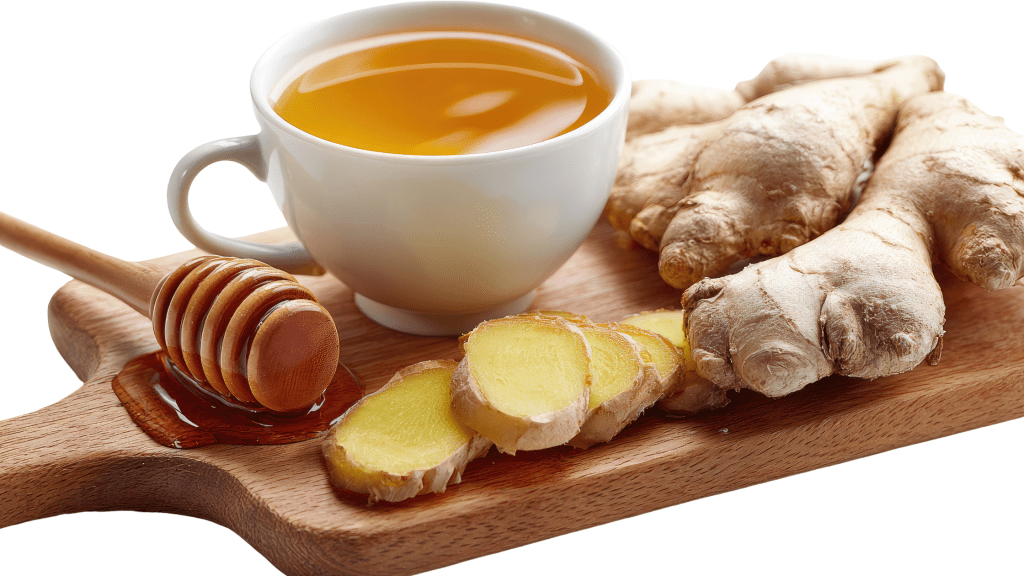
Ginger Tea
If your headache is accompanied by nausea or a feeling of pressure, ginger may help support circulation and digestion.
Steep:
- 1 teaspoon fresh grated ginger in hot water for 10 minutes.
Add honey if desired.
Warm Neck Compress
Many headaches begin with tight muscles in the shoulders and neck.
Try placing:
- a warm towel or heating pad across the back of the neck
- while sitting quietly for 10–15 minutes.
Sometimes releasing tension in the neck is enough to soften the headache entirely.
Hydration and Mineral Support
Dehydration is a surprisingly common contributor to headaches. Drinking a large glass of water, sometimes with a small pinch of sea salt or a squeeze of lemon, can help restore electrolyte balance.
Listening to the Weather
Many people notice headaches appearing before storms arrive. Changes in atmospheric pressure can influence the sinuses, blood vessels, and nervous system, making the body more sensitive to shifts in the environment.
When the sky grows heavy and the air feels charged, it can be a gentle reminder to slow down: drink water, stretch the neck and shoulders, step outside for fresh air, or prepare a calming cup of tea.
Sometimes the best medicine is simply giving the body permission to rest while the weather moves through.
A Gentle Reminder
If headaches become frequent, severe, or persistent, it’s important to consult with a qualified healthcare professional. Herbs can be wonderful allies, but they are best used alongside thoughtful care and attention to the body’s deeper signals.
May today bring relief, a quiet cup of tea, and perhaps the soft sound of rain moving through the trees.
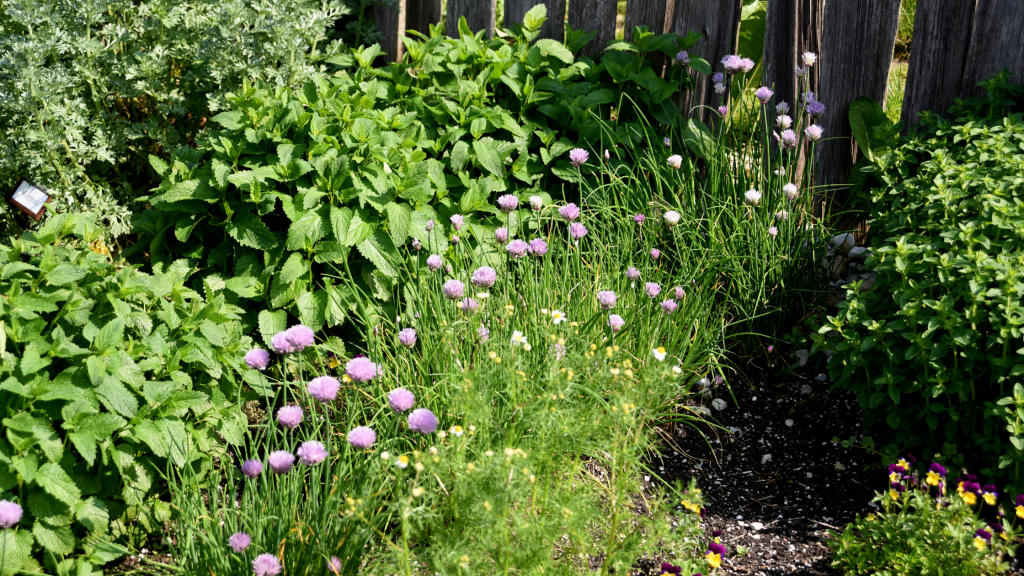
Herbal remedies work best when used consistently and in harmony with the body’s rhythms. Listening to what the body needs (rest, hydration, nourishment, and calming herbs) often brings the greatest relief. 🙂
Thank you for reading. If this kind of slow herbal knowledge speaks to you, you’re welcome to stay awhile. Subscribe below and I’ll send new reflections, plant wisdom, and seasonal practices as they are written.
 Wildheart Press
Leave a comment