Working with Chamomile at Home
When I think of chamomile, I think of spring.
I think of walking through grass-covered hills with the sun at my back, the ground still holding onto the morning’s dew. It’s the kind of quiet, steady moment that stays with you. I also think of an older way of living. A place and time where kitchen herbs are part of daily life, and are not just decoration. In my heart, it is a place where knowledge is built slowly through use and understanding, and where each plant has a purpose.
That is what first drew me to herbalism.
Yes, the plants drew me in. Gardening is where my soul thrives. But it was the desire to understand how plants work. I needed to know how they support the body. I needed to know how they interact with what we already use, and how to approach them with both curiosity and responsibility.
Chamomile was where I began.
When I first began learning herbalism, it came from a desire to better understand how to care for the body in a natural and informed way. I wanted to know how herbs could support overall health alongside modern medical treatments and where they might offer gentle, effective relief on their own.
I have always loved the natural world. I endeavored to learn the capacities of foraging, and working with plants felt intuitive. However, I quickly realized that interest alone is not enough.
Knowledge is what keeps us safe.
Herbalism requires understanding how plants affect the body. You need to know how they interact with medications, appropriate preparation methods, and when not to use them. Learning these things allows us not only to care for ourselves, but to responsibly share that knowledge with others.
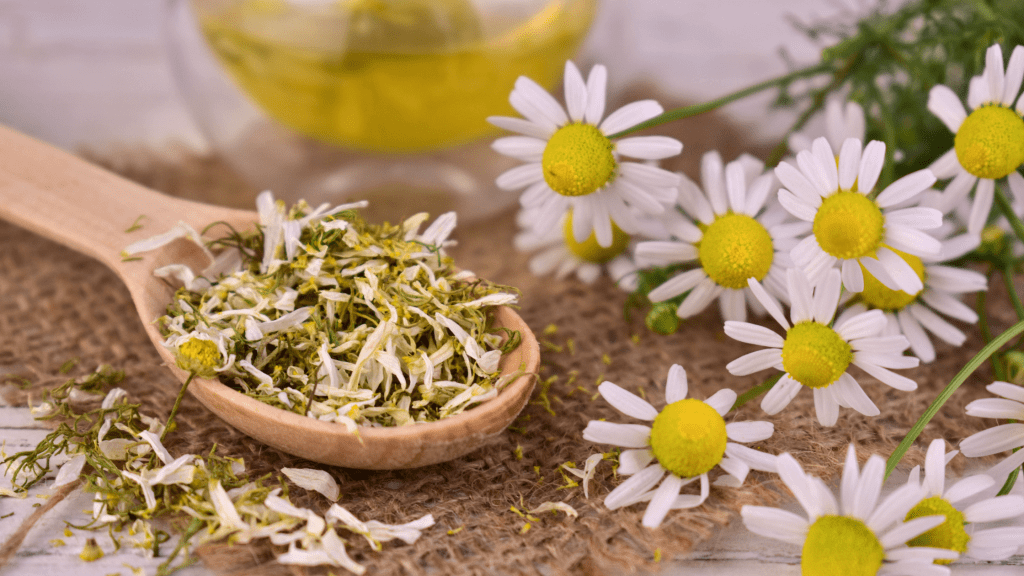
Chamomile is one of the most widely used herbs in the world, with a long history in traditional herbal practices. Today, it remains a staple in many apothecaries because of its gentle yet effective properties.
Most commonly, chamomile is used as a mild sedative and digestive aid. It is well known for helping to reduce mild anxiety, promote sleep, and ease gastrointestinal discomfort such as bloating or indigestion. It has also been used to support headache relief and reduce inflammation.
One of chamomile’s strengths is its versatility and relative safety for many people, including children and older adults.
However, even widely used herbs require awareness. Chamomile belongs to the Asteraceae (daisy) family. Individuals with allergies to ragweed or related plants should use caution. It may also interact with certain medications, including blood thinners and sedatives. As with any herb, it is important to research, consult when necessary, and introduce it thoughtfully.
Recipes to know
Understanding an herb is one thing, but learning how to work with it in everyday life is where that knowledge reigns.
Chamomile is one of the easiest herbs to start with because it lends itself to simple, accessible preparations. You don’t need specialized tools or complicated methods. You just a few basic ingredients and a willingness to learn through practice.
Practical Chamomile Preparations
Once you begin working with chamomile, you start to see just how versatile it is. It can be used on its own, but it also pairs well with other herbs to support specific concerns.
Below are a few practical preparations that show how chamomile can be used in more targeted ways.
🍵 Chamomile & Angelica Tea (Digestive Support)
This combination is commonly used to help relax the digestive tract and ease discomfort such as bloating or sluggish digestion.
Ingredients:
- 1 teaspoon dried chamomile
- 1 teaspoon dried angelica root
- 1 cup hot water
Instructions:
Pour hot water over the herbs, cover, and allow to steep for about 10 minutes. Strain before drinking.
Use:
Sip slowly as needed after meals or when experiencing digestive discomfort.
Note:
Angelica is not recommended during pregnancy.
Chamomile & Calendula Mouth Rinse (Gum Support)
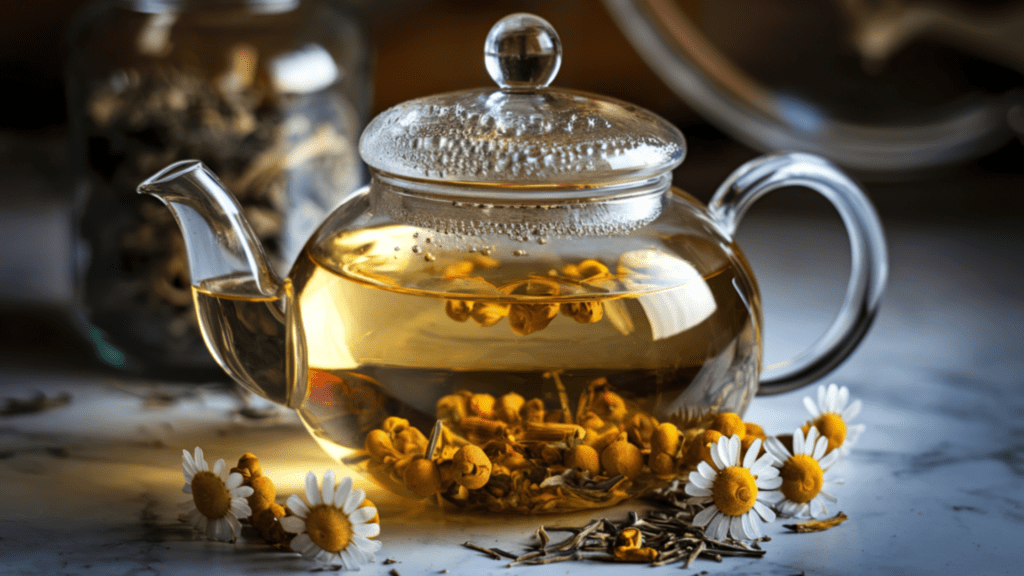
Chamomile and calendula are often used together for their soothing and anti-inflammatory properties, particularly for oral care.
Ingredients:
- 1 tablespoon dried chamomile
- 1 tablespoon dried calendula
- 2 cups water
Instructions:
Simmer the herbs gently in water for 10–15 minutes, then allow to cool. Strain and store in a sealed container in the refrigerator for up to one week.
Use:
Swish a small amount in the mouth for 30–60 seconds, then spit. Do not swallow.
Chamomile & Aloe Oat Scrub (Skin Soothing)
This preparation is used to gently calm irritated or sensitive skin.
Ingredients:
- 1 teaspoon aloe vera gel
- ½ teaspoon finely ground chamomile
- ½ teaspoon oat flour
Instructions:
Mix ingredients into a soft paste. Apply to clean skin using gentle circular motions, then rinse with cool water.
Use:
Can be used a few times per week on areas of irritation.

Chamomile Infusion for External Use
A stronger chamomile infusion can be used for compresses or gentle topical application.
Ingredients:
- 1 tablespoon dried chamomile
- 1 cup hot water
Instructions:
Steep chamomile in hot water for 10–15 minutes, then allow to cool completely. Strain before use.
Use:
Apply with a clean cloth to irritated skin, or use as a compress.

Chamomile-Based Herbal Spray (Skin Irritation Support)
Chamomile is often combined with other herbs and ingredients to help calm itching and inflammation.
Basic Blend:
- ½ cup witch hazel
- 1–2 tablespoons chamomile infusion or tincture
Instructions:
Combine in a clean spray bottle and shake gently before use.
Use:
Apply lightly to areas of irritation as needed.
General Safety Notes
Even gentle herbs require awareness.
- Avoid chamomile if you have allergies to ragweed or related plants
- Use caution if taking blood thinners or sedatives
- Always test topical preparations on a small area first
- When combining herbs, be mindful of each plant’s individual precautions
These preparations are still simple, but they begin to show how herbalism expands from a single plant into combinations, applications, and more intentional use.
Chamomile may be where many people begin, but it is also a plant that continues to teach as your understanding grows.
Thank you for reading. If this kind of slow herbal knowledge speaks to you, you’re welcome to stay awhile. Subscribe below and I’ll send new reflections, plant wisdom, and seasonal practices as they are written.

Leave a comment