Have you ever looked up into the trees and watched them sway back and forth?Often, I find myself staring straight up into their massive tops and just watching. I’ll see them sway like they are all taking a breath together, and I’ll take a deep cleansing breath right along with them.
Right now, the world is dusted in gold.
It settles on car windshields, gathers in the creases of leaves, and drifts through the air like something alive. Pine pollen season has arrived—not quietly, but in a way that demands to be noticed.
Most people see it as a nuisance; just another reason to wash the car again.
But in herbalism, and in older ways of knowing, this is a moment of abundance.
The trees are not making a mess.
They are offering something.
What Pine Offers
Physical Support
Pine is one of those plants that feels like it clears space in the body.
- Respiratory support (lungs, sinuses, congestion)
- Naturally high in vitamin C (especially needles)
- Anti-inflammatory and antimicrobial properties
- Traditionally used in steams, teas, and syrups
Perfect tie-in right now: seasonal allergies vs. the paradox of pine helping the very system being overwhelmed
Energetic / Spiritual Correspondence
Pine carries endurance.
It stays green through winter.
It bends under snow but doesn’t break.
Energetically, pine is:
- Cleansing
- Protective
- Grounding
- Clarifying
This is a tree that says: “Stand anyway.”
Pine Pollen – Golden Dust
What it is:
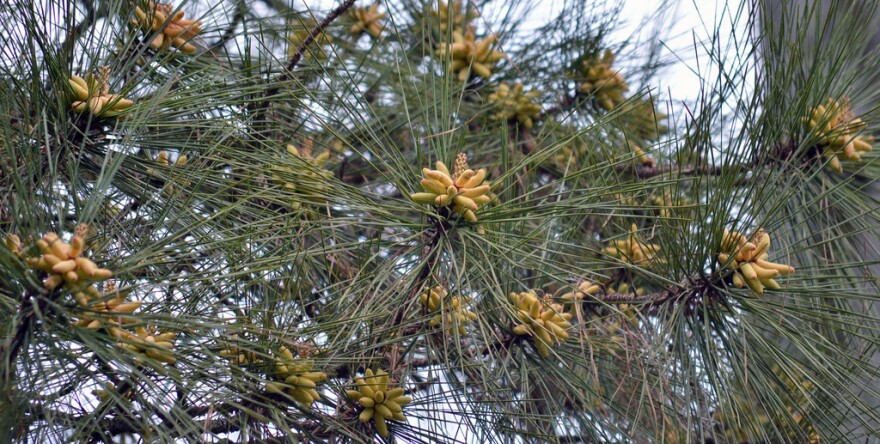
Pine pollen is the male reproductive dust of the tree—released in massive quantities each spring.

Why people work with it:
- Traditionally valued as a nutrient-dense tonic
- Contains trace minerals, amino acids, and plant compounds
- In some herbal traditions, considered supportive for vitality and hormonal balance
Important note:
Pine pollen can trigger allergies in some people- especially right now when it’s airborne. Internal use should be done mindfully and sourced cleanly.
Simple Pine Needle Tea
You’ll need:
- Fresh pine needles (white pine is a favorite—avoid toxic lookalikes like yew)
- Hot (not boiling) water
Steps:
- Rinse and chop needles
- Pour hot water (just below boiling) over them
- Cover + steep 10–15 minutes
- Strain + add honey if desired
Taste: bright, resinous, slightly citrus-like
Use: respiratory support, grounding ritual, seasonal reset
Pine Steam (For congestion)
- Bowl of hot water
- Handful of pine needles
- Towel over head
Breathe deeply.
Let it open everything that feels tight.
Right now, the trees are releasing something ancient in abundance.
It’s a reminder that life doesn’t always arrive in delicate ways.
Sometimes it comes in clouds of mess.
And still, it is an offering.
Pine Needle Syrup
This is your very own bridge between the forest and your kitchen.
You’ll need:
- 1 cup fresh pine needles or young tips (chopped)
- 1 cup water
- 1 cup honey or sugar
Steps:
- Add pine + water to a pot and gently simmer 15–20 minutes
- Let it steep as it cools (this deepens the flavor)
- Strain out the plant matter
- Add honey or sugar and warm gently until dissolved
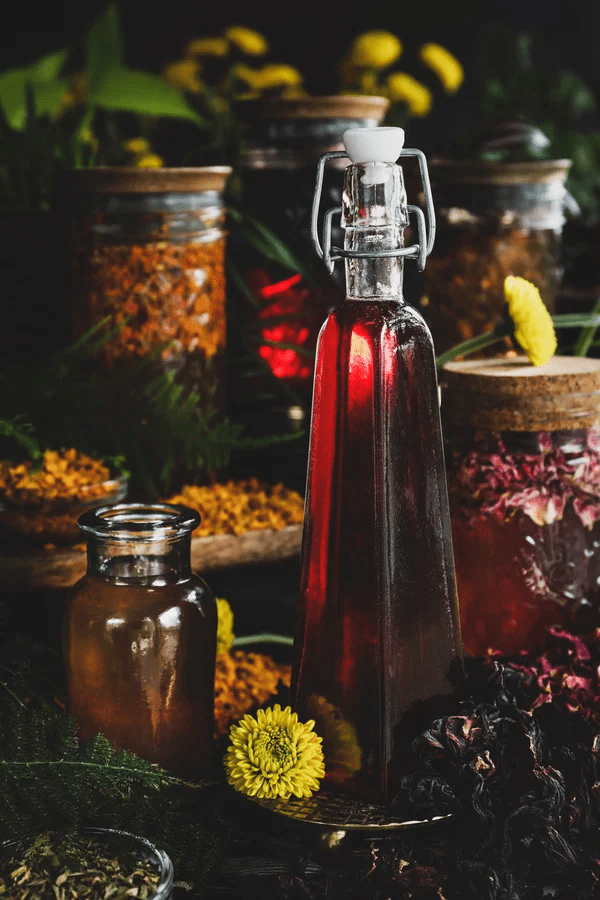
You’re left with something golden, resin-sweet, and unmistakably alive.
Taste: citrusy, green, slightly woodsy
Energy: uplifting, clearing, quietly energizing
Pine Needle Soda
Not everything needs to be made in large batches.
Sometimes it’s enough to work with just a handful—
a small gathering of needles, a bit of sweetness, and a few quiet days.
You’ll need:
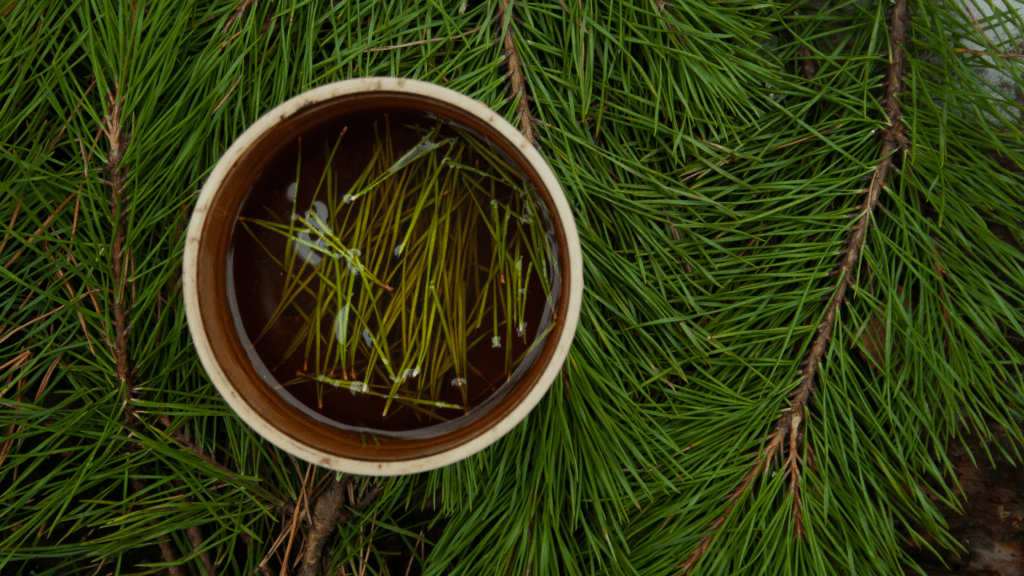
- 1 cup pine needle infusion (cooled)
- 1–2 tbsp sugar or honey
- Optional: 1–2 raisins or a thin slice of ginger
To make:
- Stir sugar into the cooled infusion
- Pour into a small jar
- Cover loosely and let sit 1–3 days
- When you see gentle bubbles, strain and seal in a bottle
- Let sit another 1–2 days for light fizz
Open slowly. Listen.
For a more in-depth recipe, visit here.
A Note
This is a soft fermentation. Nothing is rushed…It’s just enough to remind you that even the smallest things,given time, can come alive.
On another post, I’ll explain the delicious pine jam and how you can make your own batch.
Thank you for reading. If this kind of slow herbal knowledge speaks to you, you’re welcome to stay awhile. Subscribe below and I’ll send new reflections, plant wisdom, and seasonal practices as they are written.

Leave a comment